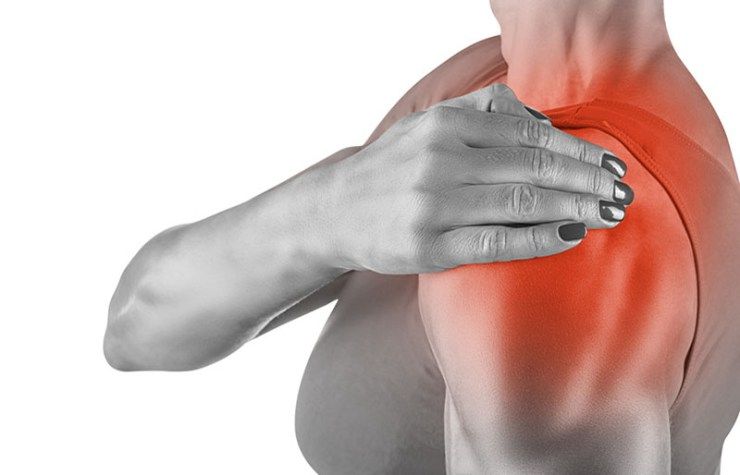
Shoulder pain is common, but persistent shoulder pain is not something you should ignore or “adjust to.” Many people continue with their routine thinking the pain will settle with rest, painkillers, or massage. But when shoulder pain starts affecting your sleep, arm strength, or daily activities, it usually indicates a deeper issue that needs medical attention.
One of the most common causes of long-lasting shoulder pain is a rotator cuff tear. This problem can develop slowly over months due to wear and tear, or it can happen suddenly after a fall, accident, or heavy lifting. The good news is that rotator cuff injuries are treatable in most cases. However, early diagnosis is important, because delaying treatment can cause the tear to grow bigger and the shoulder to become weaker over time.
In this blog, we’ll explain what the rotator cuff is, how to identify symptoms, why tears happen, and when surgery becomes the best option for recovery.
What Is the Rotator Cuff?
The shoulder joint is one of the most mobile joints in the body. Unlike the hip joint, it has less natural stability, which is why it depends heavily on muscles and tendons for support. The rotator cuff is a group of four muscles and their tendons that keep the shoulder joint stable and allow smooth, controlled movement.
The rotator cuff helps in daily actions such as:
- lifting the arm overhead
- reaching behind the back
- carrying bags
- combing hair
- wearing clothes
- pushing and pulling movements
When one or more of these tendons get damaged or torn, shoulder movements can become painful, restricted, and weak.
What Exactly Is a Rotator Cuff Tear?
A rotator cuff tear occurs when a tendon in the rotator cuff is injured. Tears are generally of two types:
- Partial tear: tendon is damaged but not fully torn
- Full-thickness tear: tendon is completely torn and detached from the bone
Partial tears often cause discomfort and weakness but may improve with non-surgical treatment. Full-thickness tears usually lead to more noticeable weakness and functional limitation, and they often require surgical repair, especially if the person is active or the tear is worsening.
Common Symptoms of a Rotator Cuff Tear
Many patients do not feel a single sudden event. Instead, symptoms may start mild and become worse over time. These signs strongly suggest a rotator cuff issue:
1) Pain during daily movements
Pain is commonly felt in the outer shoulder or upper arm, especially during:
- lifting the arm
- reaching overhead
- stretching the arm sideways
- carrying weight
2) Night pain (very common)
Night pain is one of the most typical symptoms patients report:
- pain increases while sleeping
- pain worsens when lying on the affected shoulder
- sleep gets disturbed frequently
If shoulder pain regularly interrupts sleep, it should not be ignored.
3) Weakness in the arm
A tear affects strength, so people may notice:
- difficulty lifting objects
- arm feels tired quickly
- weakness during overhead work
- trouble holding the arm up for long
4) Limited shoulder movement
Some patients develop stiffness along with pain, leading to restriction in shoulder motion.
5) Clicking or catching sensation
Some people experience:
- clicking sounds during movement
- a catching sensation
- discomfort during rotation
If these symptoms continue for more than 10–14 days, it is best to get evaluated instead of continuing self-treatment.
Why Do Rotator Cuff Tears Happen?
Rotator cuff tears generally occur due to either gradual wear or sudden injury.
1) Age-related tendon degeneration
With age, tendon strength reduces and healing capacity becomes slower. Blood supply to the tendon also decreases. This is why rotator cuff tears are more common in people above 40–50 years.
Even normal activities like lifting a bucket or stretching can trigger pain if the tendon is already weak.
2) Repetitive overuse
Repeated strain on the shoulder can gradually damage the tendon. Common causes include:
- gym workouts with poor shoulder technique
- repetitive overhead sports movements
- manual work (painting, lifting, carpentry)
- long-term poor posture
3) Sudden injury
A fall, accident, or sudden lifting effort can cause an immediate tear, especially in older individuals with weaker tendons.
4) Shoulder impingement and bone spurs
In some cases, bone spurs or shoulder anatomy can cause the tendon to rub repeatedly, leading to inflammation and gradual tearing.
Who Is More at Risk?
You may have a higher risk of rotator cuff tear if:
- you are above 40
- you do heavy gym workouts without proper guidance
- you perform repetitive overhead movements regularly
- you smoke (tendons heal slower)
- you have diabetes or thyroid imbalance
- you have had a previous shoulder injury
How Is a Rotator Cuff Tear Diagnosed?
Proper diagnosis includes clinical examination plus imaging.
Clinical examination
The orthopedic specialist checks:
- pain points
- shoulder range of motion
- strength and stability tests
- impingement signs
- functional limitations
Imaging tests
Depending on the case, the doctor may recommend:
- X-ray: to check bone spurs or arthritis
- Ultrasound: useful for tendon and inflammation assessment
- MRI: best for confirming tear size, tear type, and tendon condition
MRI plays a major role in deciding whether conservative care is enough or surgery is needed.
Treatment Options Without Surgery
Not every tear requires surgery. For partial tears and mild-to-moderate cases, treatment may include:
- activity modification (avoid painful movements)
- anti-inflammatory medicines (only under medical guidance)
- ice therapy during early inflammation
- physiotherapy (most important step)
- posture correction
- strengthening and mobility exercises
In some cases, injections may be advised to reduce inflammation. However, injections are not a permanent solution—the goal is to reduce pain and allow physiotherapy to work effectively.
Many patients improve significantly within a few weeks when treatment begins early and therapy is followed consistently.
When Is Surgery Needed?
Surgery becomes a stronger option when the tear is large or symptoms do not improve with conservative treatment.
Surgery is usually considered if:
- pain continues beyond 6–12 weeks despite physiotherapy
- weakness increases and routine tasks become difficult
- tear is full-thickness
- tear occurred due to trauma and affects function
- repeated impingement is making the tear worse
- you are young/active and need full shoulder strength
Delaying surgery in full-thickness tears may lead to:
- tendon retraction (tendon pulls away from bone)
- muscle wasting
- reduced tendon healing quality
- lower chance of full functional recovery
That is why timing is important.
How Rotator Cuff Surgery Is Done
Most rotator cuff repairs today are done using arthroscopy (keyhole surgery).
Using a camera and fine instruments through small cuts, the surgeon:
- cleans damaged tissue
- removes impingement causes if needed
- reattaches tendon using anchors
- restores shoulder stability and movement
Arthroscopy typically offers:
- smaller scars
- less post-operative discomfort
- faster rehabilitation
- better precision of repair
Recovery After Rotator Cuff Surgery
Recovery requires discipline because tendon healing takes time. A typical recovery timeline includes:
- sling support for the first few weeks
- staged physiotherapy to restore movement
- gradual strengthening exercises later
- return to routine activities in 3–4 months
- full recovery in 4–6 months, depending on tear size
Physiotherapy is essential. Without proper rehabilitation, stiffness and weakness may continue even after surgery.
Conclusion
A rotator cuff tear is one of the most common reasons for long-lasting shoulder pain and weakness. If your shoulder pain is affecting sleep, daily activities, or strength, it is important to seek early evaluation. Timely treatment—whether physiotherapy-based care or arthroscopic repair—can restore shoulder movement, reduce pain, and improve quality of life.
If you are experiencing persistent shoulder pain or weakness, consult Dr Vishal Patil (Orthopedic, Joint Replacement & Spine Surgeon) for accurate diagnosis and the most suitable treatment plan.
Doctor Name: Dr Vishal S. Patil
Clinic Address : Shop No. 205, 2nd Floor, Gaikwad Villa, Dr Patil’s Shree Orthopedic & Womencare Clinic, Seasons Rd, Opp. Punjab National Bank, Sanewadi, Aundh, Maharashtra 411067.