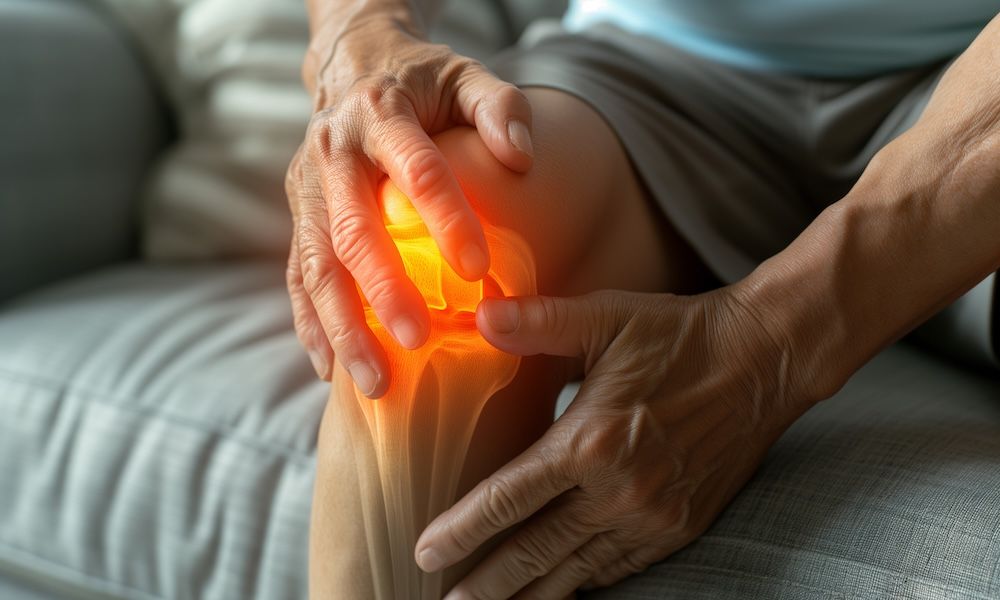
A knee injury can look minor at first. Many people feel pain after running, playing sports, or slipping on stairs and assume it is just a temporary strain. But then swelling begins, the knee feels unstable, and simple actions like turning, climbing stairs, or changing direction become uncomfortable and scary. If your knee feels like it may “give way” while walking, it is not something you should ignore.
One of the most common serious knee injuries is an ACL tear. ACL stands for Anterior Cruciate Ligament, a strong ligament located inside the knee joint. It acts as a stabilizer and controls the knee during twisting, pivoting, and sudden stops. When the ACL is torn, the knee may lose stability even if pain reduces over time.
The good news is that ACL tears can be treated effectively. Some patients recover with a structured physiotherapy plan, while others need surgery to return to sports or regain full stability. The correct treatment depends on the type of tear, your activity level, and how much stability your lifestyle requires.
This blog explains what an ACL tear is, how it happens, early warning signs, diagnosis methods, treatment options, and recovery expectations.
What Is the ACL and Why Is It Important?
The knee joint is supported by ligaments, which are strong tissue bands connecting bones. The ACL is located in the center of the knee and plays a major role in stability.
The ACL helps:
- prevent the shin bone (tibia) from sliding forward
- control rotational movements of the knee
- stabilize the knee during running, jumping, turning, and quick direction changes
When the ACL is damaged, the knee becomes unstable during movement—especially during sports and fast activities.
How Does an ACL Tear Happen?
Most ACL tears happen without direct contact. In many cases, the injury occurs when the foot stays planted on the ground while the body twists.
Common causes include:
- sudden change of direction while running
- awkward landing after a jump
- sudden stop during sprinting
- slipping or falling with knee rotation
- sports impact that forces the knee inward
Sports like football, kabaddi, basketball, badminton, cricket, and gym activities can increase the risk, especially when movement control is poor.
Some patients report hearing or feeling a “pop” in the knee at the time of injury.
Early Signs and Symptoms of an ACL Tear
ACL tears have a few characteristic symptoms that help differentiate them from a basic knee sprain.
1) Sudden pain and difficulty continuing activity
Most people cannot continue playing or running after the injury because the knee feels painful and unreliable.
2) Swelling that develops quickly
Swelling often appears within a few hours because bleeding can occur inside the knee joint. The knee may look noticeably larger and feel tight.
3) Knee instability or “giving way”
This is one of the most important signs of ACL injury. People often say:
- “My knee feels loose.”
- “It feels like it will collapse.”
- “I can’t trust the knee while turning.”
Instability is commonly noticed during stairs, walking on uneven ground, or changing direction.
4) Reduced range of motion
The knee may feel stiff, and bending or straightening fully becomes difficult due to swelling and pain.
5) Repeated episodes of knee buckling
If the ACL is completely torn and not treated properly, the knee may keep giving way repeatedly.
Important point: pain may reduce after a few days, but instability can remain. That instability is what leads to further knee damage.
Why ACL Tear Should Not Be Ignored
Ignoring an ACL tear is risky. A torn ACL often leads to uncontrolled knee movement, which can cause additional injuries.
Common long-term problems include:
- meniscus tear (cartilage damage)
- damage to joint surface cartilage
- repeated swelling episodes
- early knee arthritis
- reduced athletic performance and confidence
Early diagnosis and correct treatment can prevent these complications.
How Is an ACL Tear Diagnosed?
Clinical examination
An orthopedic specialist examines the knee for swelling, tenderness, and instability. Common tests include:
- Lachman test
- Anterior drawer test
- Pivot shift test
These tests help assess ligament stability.
Imaging tests
- X-ray: done to rule out fractures or bone injury
- MRI: most reliable for confirming ACL tear and checking associated injuries
MRI also shows meniscus injuries, cartilage damage, and the severity of ligament tear.
Best Treatment Options for ACL Tear
Treatment depends on:
- whether the tear is partial or complete
- knee stability symptoms
- age and activity level
- sports or job demands
- associated injuries like meniscus tear
There are two major treatment paths: non-surgical rehabilitation and surgical reconstruction.
1) Non-Surgical Treatment (Rehabilitation-Based Care)
Not everyone needs surgery. Non-surgical treatment may be suitable if:
- the tear is partial
- knee stability is good
- you are not involved in pivoting sports
- your daily routine is not affected by instability
Non-surgical care includes:
Structured physiotherapy program
Physiotherapy focuses on:
- reducing swelling and pain
- restoring full knee movement
- strengthening quadriceps and hamstrings
- improving balance and control
- training the knee to handle daily movements safely
Some patients also benefit from a knee brace during recovery. With proper rehab, many people can return to daily activities normally. However, returning to high-level sports without an ACL may still be unsafe.
2) Surgical Treatment (ACL Reconstruction)
Surgery is recommended when:
- ACL tear is complete
- knee feels unstable or keeps giving way
- patient plays sports requiring sudden turns, jumping, or pivoting
- patient is young and active
- meniscus injury is present
- instability affects daily confidence and movement
ACL surgery is called ACL reconstruction, because the torn ligament cannot be stitched back like a simple tendon tear. Instead, the ACL is replaced using a graft.
How ACL reconstruction is performed
It is usually done using arthroscopy (keyhole surgery), which offers:
- small incisions
- less tissue damage
- faster rehabilitation
- better surgical precision
Graft options commonly include:
- hamstring tendon graft
- patellar tendon graft
- quadriceps tendon graft
The graft acts as the new ACL and gradually integrates into the knee over time.
Recovery Timeline After ACL Injury and Surgery
Recovery depends heavily on rehabilitation discipline.
Typical recovery after ACL reconstruction:
- First 2 weeks: swelling control, walking with support
- 2–6 weeks: regain movement, begin strengthening
- 6–12 weeks: balance, stability, advanced strengthening
- 3–6 months: jogging, controlled sports drills
- 6–9 months: return to sports (only after clearance)
Returning too early increases re-injury risk, so return-to-sport timing should be decided by the orthopedic specialist and physiotherapist.
When Should You Consult an Orthopedic Specialist?
You should consult immediately if you have:
- fast swelling after injury
- knee giving way or instability
- difficulty walking or climbing stairs
- repeated swelling episodes
- inability to return to activity due to weakness
Conclusion
An ACL tear is a serious knee injury that can affect long-term stability and joint health. Early symptoms like sudden swelling, instability, and knee buckling are clear warning signs. Some ACL injuries can be managed with structured physiotherapy, but complete tears with instability often require ACL reconstruction for the best long-term outcome—especially for active individuals.
If you suspect an ACL injury, consult Dr Vishal Patil (Orthopedic, Joint Replacement & Spine Surgeon) for accurate diagnosis and a personalised treatment plan, whether conservative rehabilitation or advanced arthroscopic ACL reconstruction.
Doctor Name: Dr Vishal S. Patil
Clinic Address : Shop No. 205, 2nd Floor, Gaikwad Villa, Dr Patil’s Shree Orthopedic & Womencare Clinic, Seasons Rd, Opp. Punjab National Bank, Sanewadi, Aundh, Maharashtra 411067.