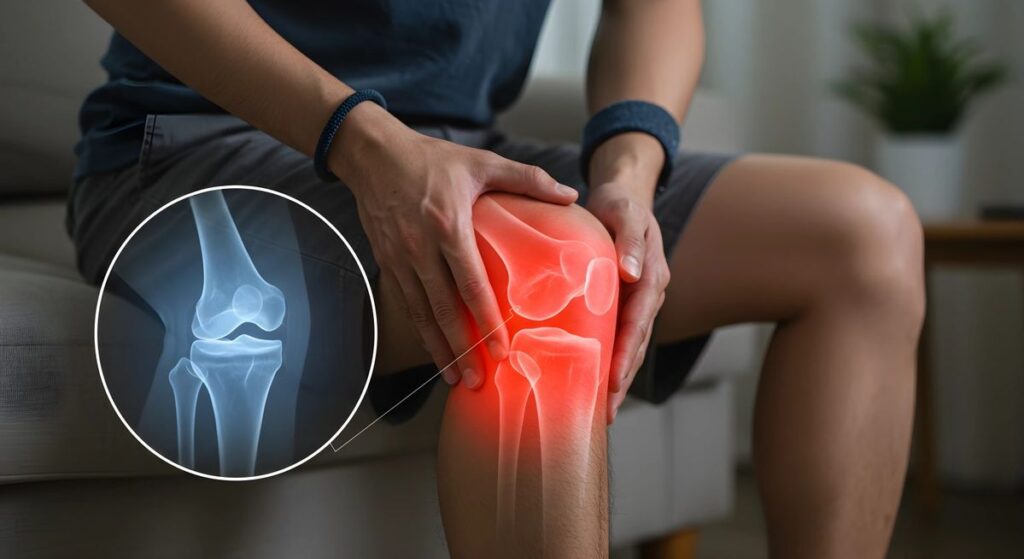
When Do You Need Knee Replacement Surgery?
Knee pain can start as a small inconvenience — a little stiffness in the morning, discomfort while climbing stairs, or mild swelling after a long walk. Over time, however, it can become persistent and debilitating, affecting your ability to work, exercise, or even perform simple daily tasks. When medications, physiotherapy, and lifestyle changes no longer provide relief, knee replacement surgery may become a necessary and life-changing option.
But how do you know when it’s truly time to consider knee replacement? Let’s understand the signs, causes, and decision-making process in simple terms.
Understanding Knee Damage
Your knee joint is made up of bones, cartilage, ligaments, and cushioning tissues that work together smoothly. Cartilage plays a crucial role — it allows the bones to glide without friction. However, conditions like osteoarthritis, rheumatoid arthritis, injury, or age-related wear and tear can damage this cartilage. When it wears away completely, bones begin to rub against each other, causing pain, swelling, stiffness, and reduced mobility.
Knee replacement surgery (also called knee arthroplasty) involves removing the damaged parts of the knee joint and replacing them with artificial components designed to restore smooth movement and reduce pain.
Signs You May Need Knee Replacement Surgery
Not every knee pain requires surgery. However, certain symptoms indicate that conservative treatments may no longer be enough.
- Persistent Pain That Doesn’t Improve
If you experience constant knee pain even while resting or sleeping, it may be a red flag. Pain that limits daily activities like walking, climbing stairs, or standing for extended periods suggests significant joint damage.
- Severe Stiffness and Limited Movement
Difficulty bending or straightening your knee can make everyday tasks challenging. If stiffness prevents you from sitting comfortably, driving, or getting out of a chair, it may indicate advanced arthritis.
- Swelling That Doesn’t Subside
Chronic inflammation and swelling that do not respond to medications, injections, or physical therapy could mean the joint damage is severe.
- Deformity in the Knee
If your knee appears bowed inward or outward, it may be due to joint deterioration. Structural changes often worsen over time and may require surgical correction.
- Failed Non-Surgical Treatments
Before recommending surgery, doctors typically suggest:
- Pain-relief medications
- Anti-inflammatory drugs
- Physiotherapy
- Weight management
- Knee braces
- Injections (such as corticosteroids or hyaluronic acid)
If these options fail to provide lasting relief, knee replacement may be the next step.
Who Is an Ideal Candidate?
Knee replacement is generally recommended for individuals who:
- Have severe osteoarthritis or rheumatoid arthritis
- Experience significant pain affecting quality of life
- Have difficulty walking or climbing stairs
- Cannot perform routine daily activities comfortably
- Have not improved with conservative treatments
Age alone is not the deciding factor. While many patients are above 60, younger individuals with severe joint damage may also benefit from surgery.
What Happens During Knee Replacement Surgery?
In a knee replacement procedure, the damaged cartilage and bone surfaces are removed and replaced with metal and high-grade plastic implants. These implants mimic the natural movement of the knee joint.
There are different types of knee replacement:
- Total Knee Replacement (TKR) – The entire joint surface is replaced.
- Partial Knee Replacement – Only the damaged part of the knee is replaced.
The choice depends on the extent of joint damage.
Recovery and Life After Surgery
Most patients experience significant pain relief and improved mobility after knee replacement surgery. Recovery typically involves:
- Hospital stay of a few days
- Early physiotherapy to restore movement
- Gradual return to daily activities within 6–12 weeks
With proper care, modern knee implants can last 15–20 years or more. Many patients return to walking, light exercise, and even low-impact sports comfortably.
Risks to Consider
Like any surgery, knee replacement carries some risks, including infection, blood clots, or implant-related issues. However, with proper surgical expertise and post-operative care, complications are relatively uncommon.
Choosing an experienced orthopedic surgeon plays a crucial role in ensuring successful outcomes.
When Should You Consult a Specialist?
If knee pain is interfering with your work, sleep, or daily activities — and conservative treatments are no longer helping — it’s time to consult an orthopedic specialist. Early evaluation helps prevent further joint damage and allows you to explore the best treatment options available.
Remember, living with chronic knee pain is not something you have to accept as part of aging. Modern advancements in joint replacement surgery have helped countless patients regain mobility and improve their quality of life.
Conclusion
Knee replacement surgery is not just about replacing a joint — it’s about restoring independence, comfort, and confidence in movement. If you are struggling with chronic knee pain, stiffness, or reduced mobility, seeking timely expert advice can make all the difference.
For expert consultation and advanced orthopedic care, you can contact:
Dr Vishal Patil
Shop No 205 second floor, Gaikwad Villa, DR PATIL’s Shree orthopedic and womencare clinic, Seasons Rd, opposite punjab national bank, Sanewadi, Aundh, Maharashtra
Taking the right step today can help you walk comfortably tomorrow.
Mobile No: +919405431728